

Remembering Parallel Courage: Reflections from the Viola Desmond Awards and Bursary Ceremony

Long before Rosa Parks refused to give up her seat on December 1, 1955, in Montgomery, Alabama, Viola Desmond, a Black woman in Canada, made a similar stand. On November 8, 1946, in New Glasgow, Nova Scotia, Desmond refused to sit in the segregated balcony of a movie theatre.
If these events had occurred in more recent times, one might assume that one act of resistance influenced the other. However, there is no historical evidence to suggest that Rosa Parks knew of, or drew courage from, Viola Desmond at the time of her arrest in 1955. What connects them instead is something deeper: parallel courage in the face of injustice, shaped by different national contexts but strikingly similar racial realities.
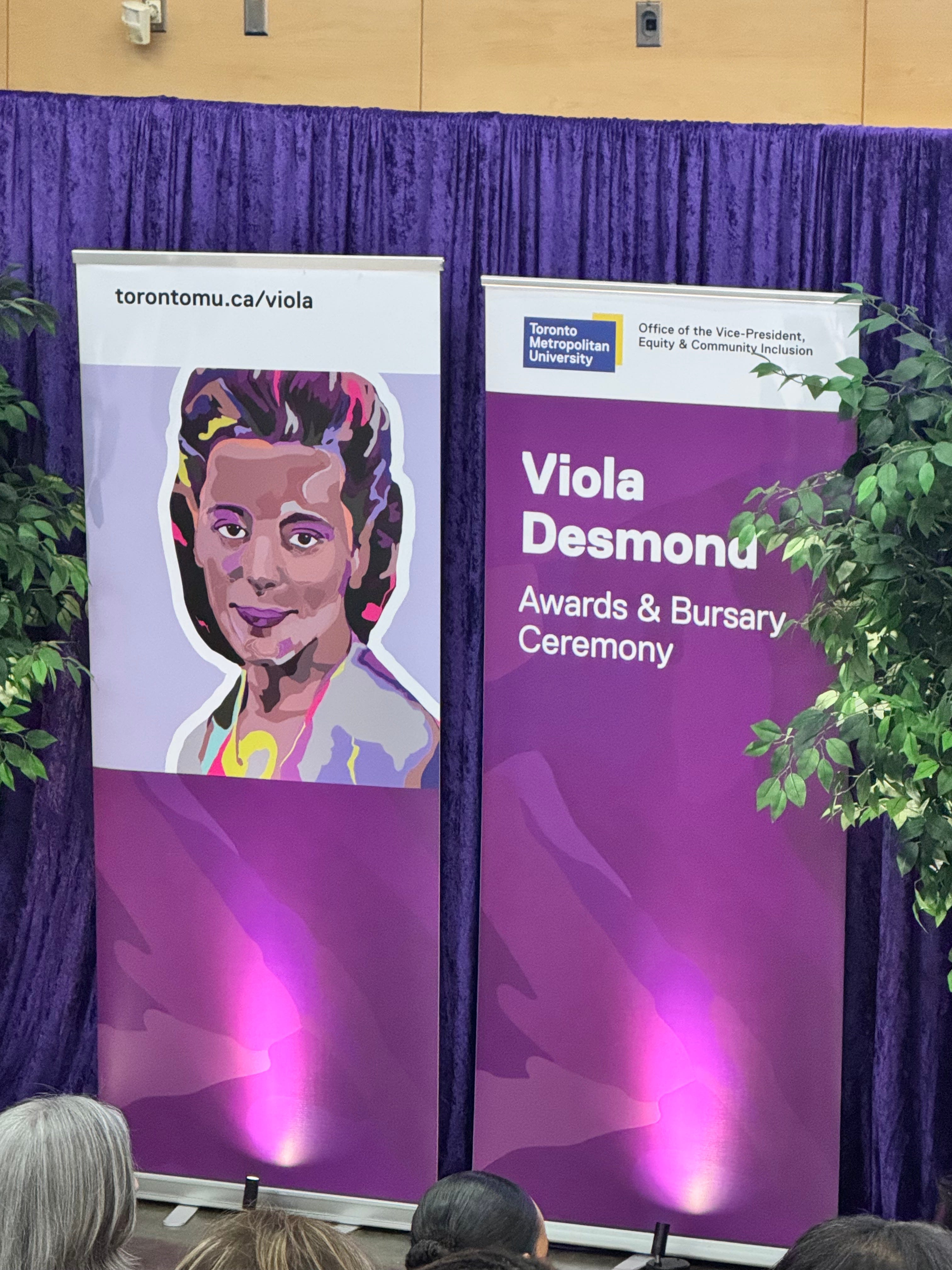
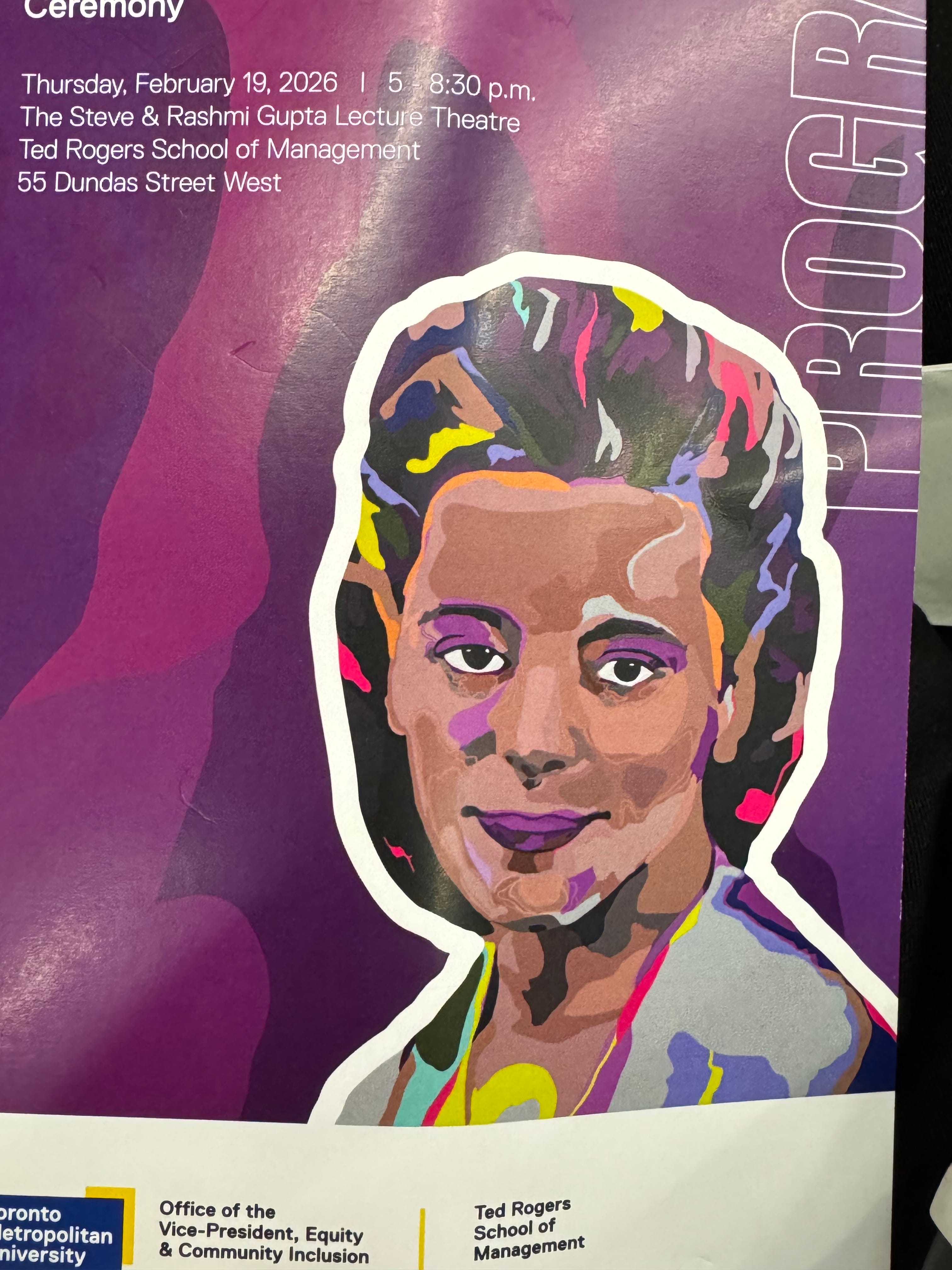
That legacy was powerfully present last night at the Viola Desmond Awards and Bursary Ceremony held at Toronto Metropolitan University (TMU). Now in its 17th year, the annual ceremony—held each February during Black History Month—honors Black women and gender-diverse individuals who embody the same spirit of resistance, dignity, and community leadership demonstrated by Viola Desmond.
Viola Desmond’s story stood front and centre throughout the evening, shared before a large and engaged audience. Special recognition was extended to Jean Augustine and Pamela Appelt, whose presence underscored the intergenerational nature of this work and remembrance.
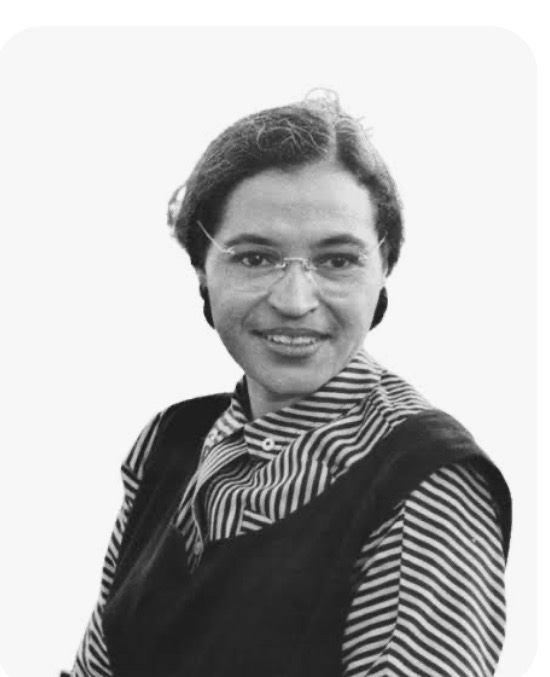
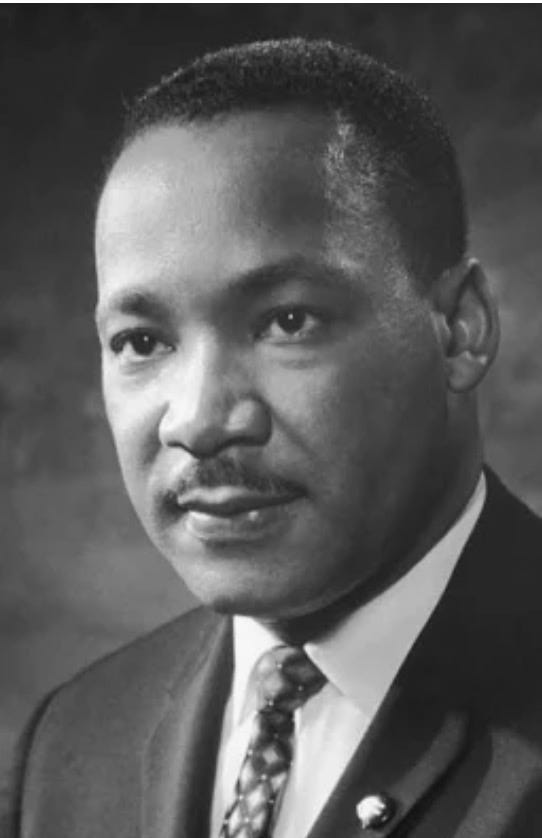
The significance of the event was undeniable. Viola Desmond stands at the pinnacle of the racial justice movement in Canada—her story a reminder of what principled defiance looks like in the face of systemic wrongs. As Dr. Denise McLane-Davison, professor in the School of Social Work, invited the audience to call the names of our ancestors and affirm their presence with the word “Axé”—a declaration of life, power, and sacred continuity—it became clear that despite the progress made through the efforts of figures such as Viola Desmond, Rosa Parks, Martin Luther King Jr., and more recently, Stacy Clarke, a contemporary advocate for racial equity, the possibility of regression remains real. Given today’s geopolitical climate, the threat of Jim Crow–like conditions for Black communities in North America does not feel as distant as it should.
Viola Desmond was arrested and charged with one cent of tax fraud against the provincial government—a charge that ultimately cost her $26 in fines and fees. When she sat on the main floor of the theatre, she occupied a seat that carried a three-cent tax, yet she had been sold a ticket with a two-cent tax. The court argued that she had defrauded the government of one cent.
What was left unsaid in law, but fully understood in practice, was race. Desmond had attempted to purchase the correct ticket and was refused solely because she was Black. Nova Scotia did not have formal segregation laws comparable to the Jim Crow statutes of the American South. Instead, the state relied on technical legislation—specifically the Theatres, Cinematographs and Amusements Act—to enforce segregation indirectly. In this way, Desmond was punished not for fraud, but for challenging the racial order.
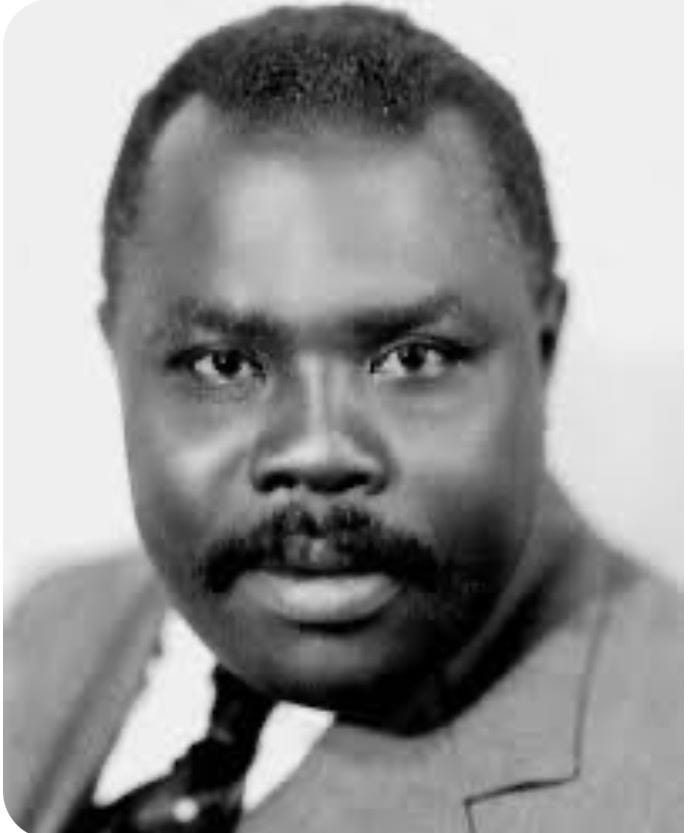
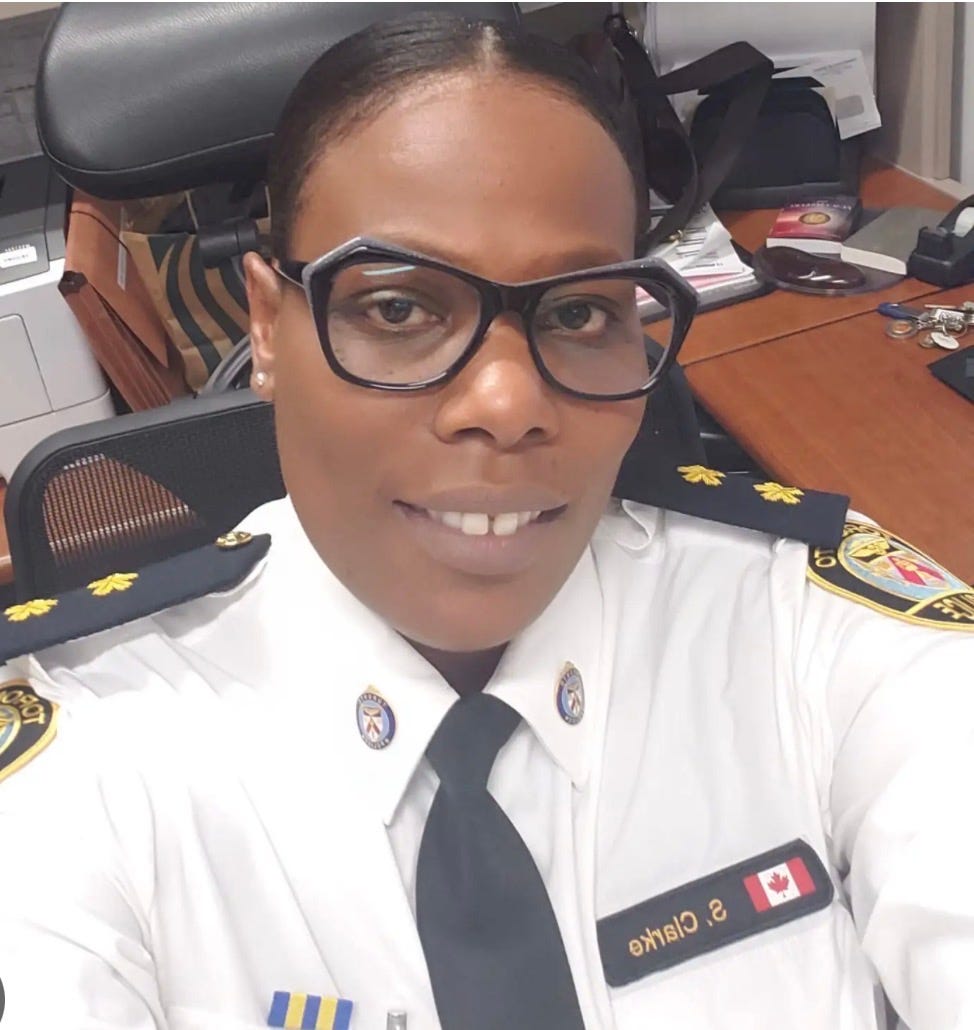
This tactic mirrored earlier cases, including that of Marcus Mosiah Garvey, where the state used financial or technical charges to suppress Black leadership when direct charges for resistance were politically or legally inconvenient. In both cases, the true offense was not the alleged crime, but the refusal to accept imposed racial boundaries.
Viola Desmond was eventually pardoned and formally cleared—63 years later, and long after her passing.
Last night’s event was warm and welcoming, bringing together colleagues and community members connected through various networks and shared commitments. What stood out most was the recognition that Canada and the United States—despite different cultures and national narratives—share deeply intertwined racial histories. Across borders, Black communities have long fought parallel struggles for justice, often led by individuals who never set out to change the world, but simply chose to push back within their own lived reality.
History shows us that those personal acts of resistance can, and often do, reshape the fate of entire communities.