


No one can know beforehand whether they are truly ready for philanthropy or charitable work. You may feel compassion. You may recognize suffering. You may even believe strongly that something should be done. But you will never know whether this kind of service is for you until you step forward and try.
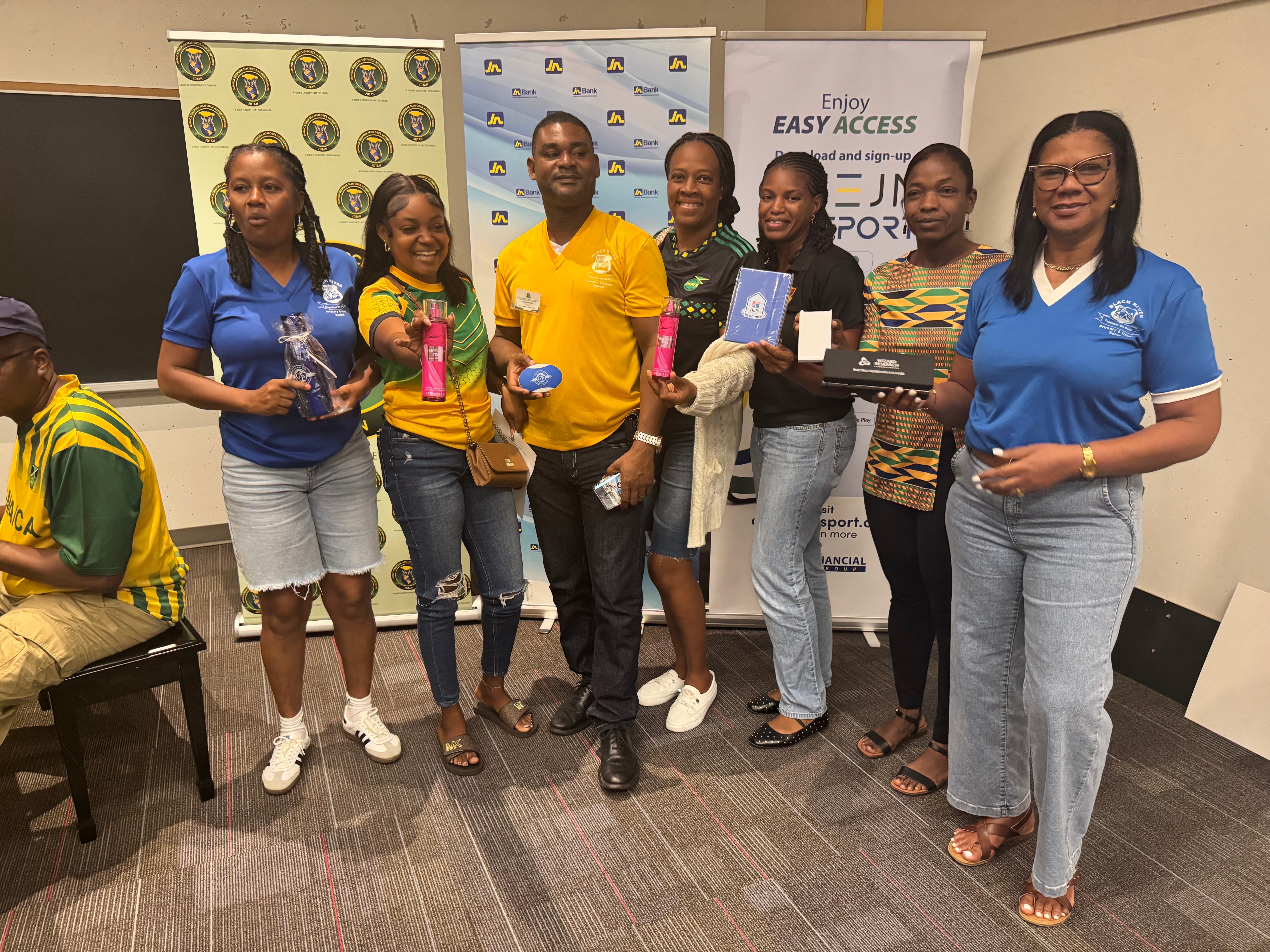
Charity is often the easiest place to begin—not because it is unimportant, but because the need is usually immediate and clearly visible. A family loses its home in a fire. A hurricane destroys a community. A school building is damaged. People need food, clothing, shelter or emergency assistance. You identify the crisis and respond.
That response may last for a day, a week or two weeks. You collect supplies, contribute money, organize volunteers, purchase tickets, travel to the affected community or help rebuild what was damaged. When the immediate crisis has passed, you return to your regular life—perhaps until another emergency calls you back a year or two later.
There is nothing insignificant about that. Charity can feed someone who is hungry tonight, provide clothing to a family that has lost everything or help a community take its first steps toward recovery. Immediate assistance matters. Sometimes it is what allows people to survive long enough to begin rebuilding.
Your experience in charity may also help you discover whether you are prepared to serve more consistently. It exposes you to the realities behind the crisis. You begin to see that the fire, storm or damaged building is only part of the story. You meet the people affected. You hear about the difficulties they faced before the disaster and the challenges that will remain long after the cameras, volunteers and emergency teams have gone.
That is often where philanthropy begins.
Charity responds to the fire. Philanthropy asks why the community was so vulnerable to the fire and what can be done to reduce that vulnerability in the future.
Charity responds to the storm. Philanthropy considers what families will need six months or two years later—stable housing, functioning schools, accessible healthcare, employment opportunities, emotional support and stronger community institutions.
Charity repairs the damaged school building. Philanthropy asks whether the school has qualified teachers, adequate technology, effective leadership, appropriate learning resources and the institutional capacity to help students succeed over time.
Philanthropy therefore requires a longer view. It involves identifying gaps, understanding needs and applying resources through sustained initiatives. Those resources are not limited to money. They may include knowledge, professional expertise, research, mentorship, training, institutional relationships, technology, advocacy and capacity-building opportunities.
Effective philanthropy requires thoughtful planning and disciplined execution. It means listening carefully to the people and institutions being served. It means understanding what they actually need rather than assuming that we already know. It requires us to determine whether our resources match those needs and whether our intervention is likely to produce meaningful, sustainable results.
It also requires collaboration. Long-term challenges in education, health, community development and social welfare are rarely solved by one person or organization. Philanthropic work demands partnerships, clearly defined responsibilities, accountability and continued evaluation. We must be willing to ask whether an initiative is working, whom it is reaching, what remains missing and what must be changed.

For many of us, it is easier to donate a few dollars here and there—or even catch a flight to respond to a visible emergency—than it is to think about the long-term effects of that crisis on the people who must continue living with its consequences. The emergency may end, but displacement, interrupted education, unemployment, illness, trauma and institutional weakness may continue for years.
Philanthropy stays with those questions.
Philanthropy recognizes that people’s needs do not disappear when public attention moves elsewhere. It continues applying resources after the immediate crisis has passed—not by creating dependency, but by helping individuals, communities and institutions build the capacity to recover, function effectively and become stronger and more productive.
It reflects the familiar proverb about the difference between giving someone a fish and teaching that person how to fish. Giving the fish addresses today’s hunger; teaching the person to fish builds the knowledge and capacity to provide for tomorrow. Yet both responses matter, because it is difficult to teach someone who is starving today how to prepare for tomorrow.
Charity and philanthropy should therefore not be placed in competition with each other. We need both. Charity responds to the urgent need before us. Philanthropy addresses the conditions surrounding that need and helps build the capacity for lasting improvement. One offers immediate relief; the other develops a strategy for sustained change.
You do not have to know at the beginning whether you are ready for a lifetime of philanthropic work. Start where you can. Respond to one crisis. Volunteer for one initiative. Offer one skill. Give one presentation. Help plan one programme. Work alongside others and pay attention to what the experience teaches you.
I know what some of you are already saying: “But what can I do? I am an introvert. I don’t know anyone. Where do I even start?”
There are many places to start.
First, ask yourself: Which schools did I attend? Infant school? Primary school? High school? Those institutions are familiar ground. Teachers are almost always looking for assistance. Go and sit with an early-grade teacher. Offer to read a storybook to the children. Ask what the classroom needs. Listen before deciding what you will provide.
Do not make grand promises that you cannot fulfil. Discuss honestly what you can do, agree on when you can do it and then make it happen. Do not become one of those people who promises assistance and never returns. That failure does not affect only your personal reputation; it damages trust between Jamaicans at home and members of the Diaspora who genuinely want to help.
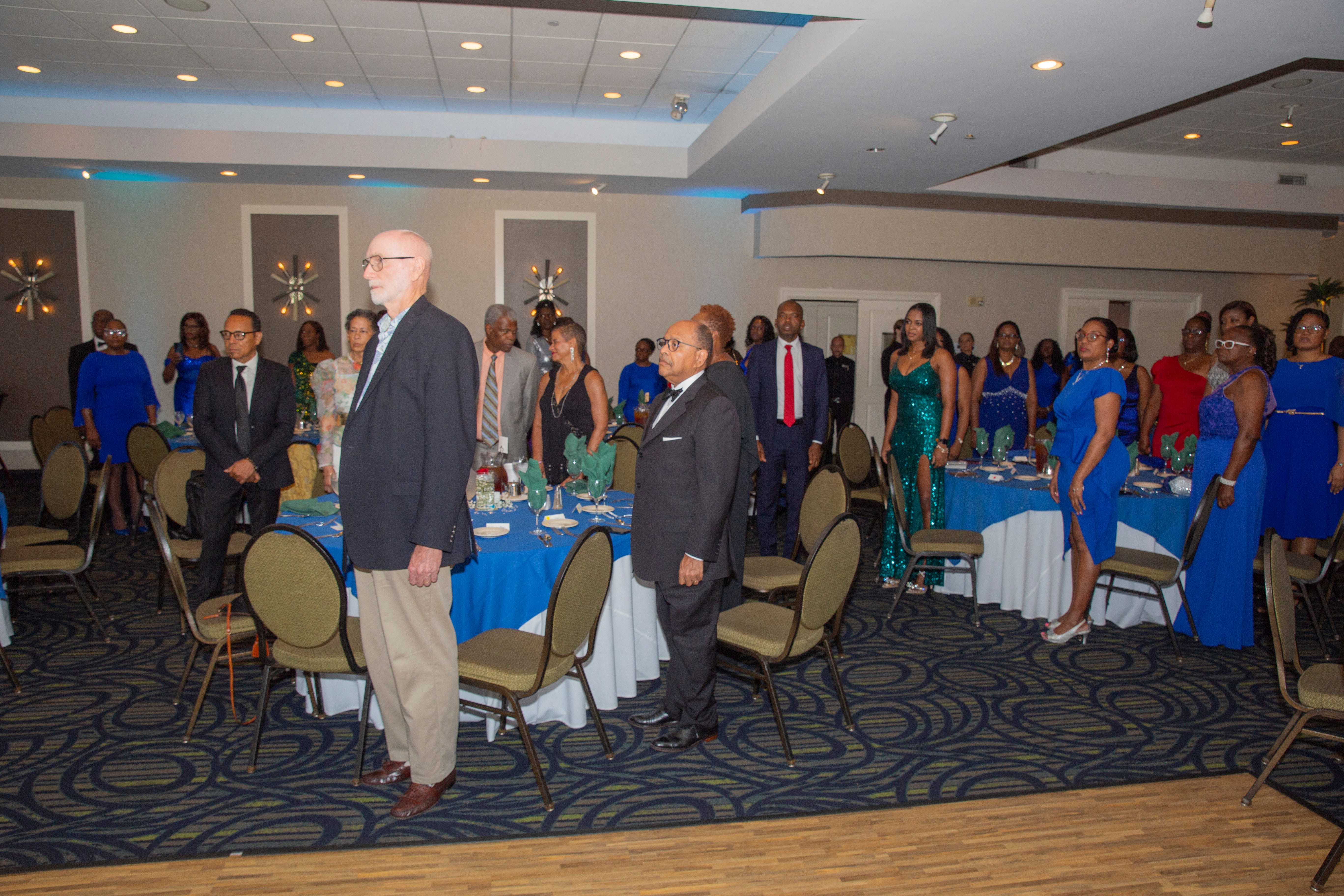
Start small. Do what you say you will do. Continue until you are able to do more. The most important thing at the beginning is not the size of your contribution—it is building a dependable relationship.
Trying does not mean arriving with an untested solution and using a community as the place to see whether it works. Begin by listening. Find out who is already doing the work, what the community has identified as its priorities and how your contribution can strengthen rather than duplicate or displace existing efforts. The people being served are not testing grounds for our generosity. They are partners whose knowledge, leadership and dignity must remain central.
You could also find an organization already doing work that aligns with your interests, experience or professional skills. Choose somewhere you can contribute effectively. You do not have to enter as the leader, the expert or the person with the largest donation. Sometimes the immediate need is simply for someone willing to lift a box, arrange chairs, make telephone calls, register participants or remain behind to help clean up. Those contributions matter too.
Service also creates relationships. When you work alongside people, supporting them and allowing them to support you, the relationship can survive disagreements and extend far beyond a single project. Before long, you begin to feel useful. You see that something changed because you showed up, and that sense of contribution becomes its own kind of reward.
If you are a teacher, you may begin in education. If you are a nurse or another healthcare professional, look for opportunities in health. If your expertise is in technology, agriculture, business, construction, communication or another field, begin there. Use what you already know while remaining open to learning what the community actually needs.
You do not have to choose between charity and philanthropy before you begin. Just do something that benefits someone else. The feeling is difficult to describe. Soon, as we say, you may “catch the bug”—and discover that you cannot easily get rid of it.
You may discover that you were prepared to give much more than money. You were prepared to contribute your time, knowledge, relationships, skills, leadership and sustained commitment.
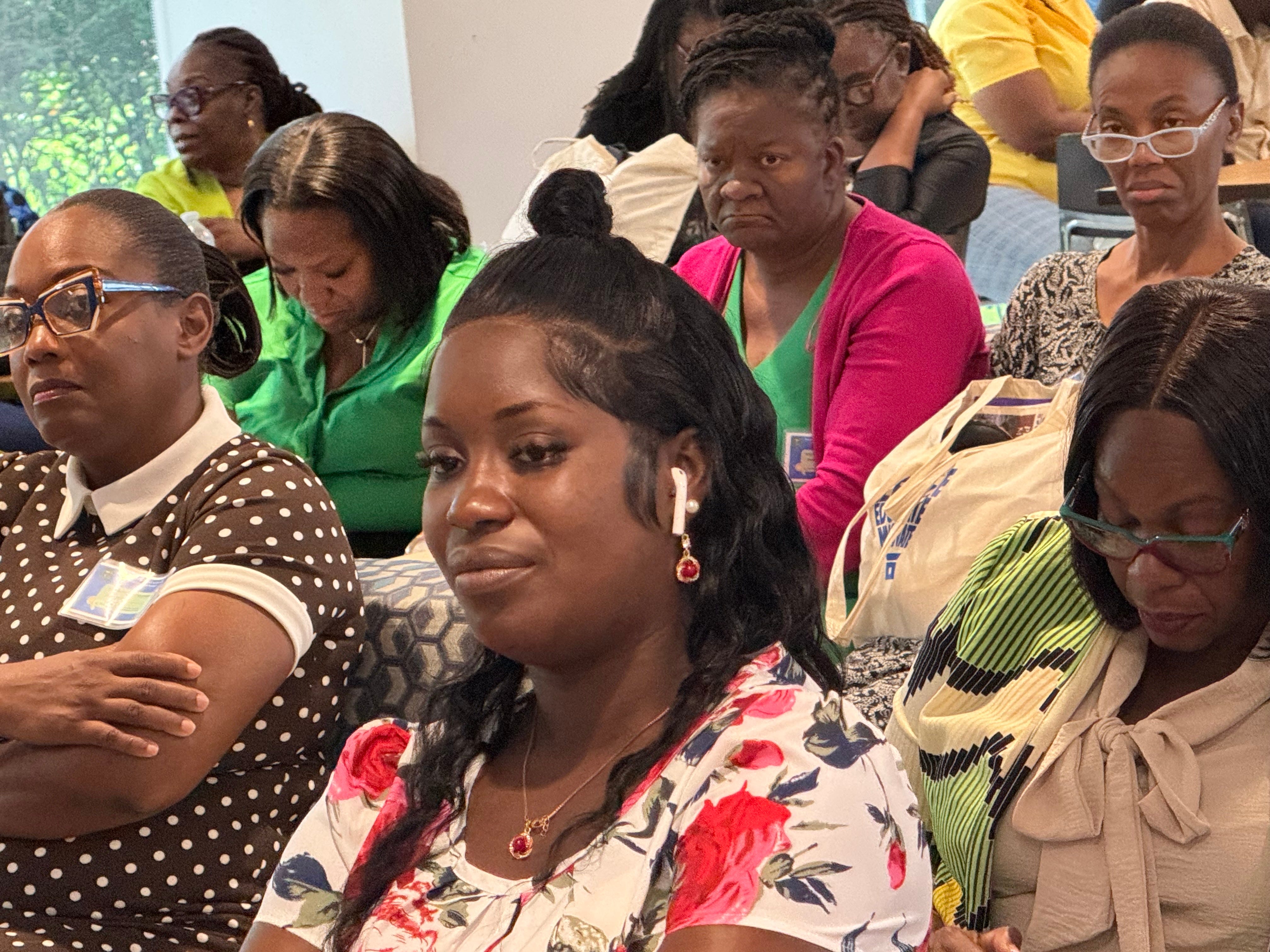
You may also discover that philanthropic work is not for you in the form you first imagined. You may not want to lead an organization or sustain a long-term initiative. That does not make your effort a failure. It may reveal that your most honest contribution is occasional service, professional expertise, financial support or strengthening an organization already doing the work. The purpose of trying is not to prove that everyone should become a philanthropist. It is to discover how, and at what level, you can serve responsibly.
But you will never know until you try.